- Ringz parentIndoor is always higher ppm (how much depends on many parameters) without proper ventilation. „Proper“ should include a „Heat exchanger“ thus you don’t need to reheat fresh air.
- Immich struggles to act as a true unifying solution for users with large, existing archival collections (DSLRs, scanned film, etc.). Since those „Archival Assets“ are often decades old, already organized into complex, user-defined file structures (e.g., 1998/DATE_PLACE_PROJECT/PLACE_PROJECT_DATE.jpg), and frequently contain incomplete or inconsistent metadata (missing dates, no GPS, different file formats).
Immich's current integration solutions (like "External Libraries") treat the archive as a read-only view, which leads to a fragmented user experience:
- Changes, facial recognition, or tagging remain only within Immich’s database, failing to write metadata back to the archival files in their original directory structure (last time I checked, might be better now.
- My established, meaningful directory structure is ignored or flattened in the Immich view, forcing the user to rely entirely on Immich’s internal date/AI-based organization.
My goal (am I the only one?) of having one app view all photos while maintaining the integrity and organizational schema of the archival files on disk is not yet fully met.
Immich needs a robust, bi-directional import/sync layer that respects and enhances existing directory structures, rather than just importing files into its own schema.
- Without paywall
- Voting machines represent the most problematic election technology imho. All voting methods have inherent vulnerabilities, but paper ballots and mail-in voting are maybe the most reliable options?
For me, the critical missing element is comprehensive verifiability: Creating tamper-proof systems that allow voters to verify their votes were counted correctly while maintaining ballot secrecy. All that while elections must be publicly verifiable by ordinary citizens without special technical knowledge.
- The article points out:
„The only exception to this is the ESA/NASA Ulysses mission (1990–2009), which flew over the Sun's poles but did not carry any imaging instruments. Solar Orbiter's observations will complement Ulysses’ by observing the poles for the first time with telescopes, in addition to a full suite of in-situ sensors, while flying much closer to the Sun. Additionally, Solar Orbiter will monitor changes at the poles throughout the solar cycle.“
- Maybe you should check your sources:
*1. Limited Degradation Conditions* - Most biodegradable plastics only break down under specific conditions, such as high temperatures found in industrial composting facilities, which are not widely available[3][4][6]. - In landfills or the natural environment, they may persist for years and even release methane, a potent greenhouse gas[4].
*2. Contamination of Recycling Streams* - Biodegradable plastics can contaminate conventional plastic recycling, reducing the quality and durability of recycled products[1][7]. - They require separate collection and processing, adding complexity and cost to waste management[5][7].
*3. Microplastics and Environmental Harm* - Some types, especially oxo-degradable plastics, fragment into microplastics, which pollute ecosystems and can enter the food chain[1].
*4. Toxicity and Chemical Concerns* - Biodegradable and bioplastics often contain thousands of chemicals, some of which are toxic and comparable to those in traditional plastics[2][8]. - Cellulose and starch-based bioplastics have shown strong toxicity in laboratory studies[2].
*5. High Production Costs and Resource Use* - Production is generally more expensive than conventional plastics and may require significant agricultural resources, potentially competing with food production and increasing carbon emissions[3][2][7].
*6. Durability and Usability Issues* - Biodegradable plastics may not be as durable, limiting their application in some products[5]. - Some products have faced consumer complaints about performance, such as packaging noise or fragility[3].
*7. Greenwashing and Misleading Claims* - Marketing often exaggerates environmental benefits, leading to consumer confusion and a false sense of sustainability[1][6].
*8. Infrastructure and Collection Challenges* - Lack of proper infrastructure means many biodegradable plastics end up in landfills or are incinerated rather than composted[4][7].
In summary, biodegradable plastics face significant challenges regarding waste management, environmental impact, toxicity, and practicality, making them far from a perfect solution to plastic pollution[1][2][3].
Quellen [1] Biodegradable Plastic Problems | BioPak Australia https://www.biopak.com/au/resources/biodegradable-plastic-pr... [2] The False Promise Of Bioplastics and Compostable Plastics https://www.beyondplastics.org/fact-sheets/bad-news-about-bi... [3] Is Biodegradable Plastic Good for the Environment? Exploring its ... https://www.global.dnp/biz/column/detail/20173971_4117.html [4] Why Bioplastics Will Not Solve the World's Plastics Problem https://e360.yale.edu/features/why-bioplastics-will-not-solv... [5] Concept to Compost: Challenges of Biodegradable Plastics R&D https://grantica.io/challenges-of-biodegradable-plastics-res... [6] The Problem with Bioplastics - The Great Bubble Barrier® https://thegreatbubblebarrier.com/the-problem-with-bioplasti... [7] The problem with bio-plastic - Plastic Free Communities https://plasticfree.org.uk/2024/01/31/the-problem-with-bio-p... [8] Biodegradable plastics may bring degradation and toxicity ... https://foodpackagingforum.org/news/biodegradable-plastics-m...
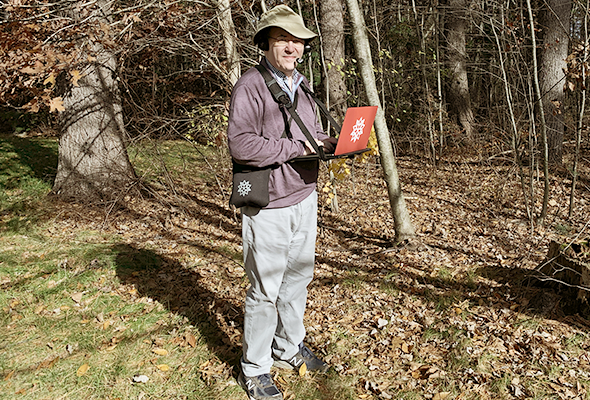
- Are you Stephen Wolfram?
https://quantifiedself.com/wp-content/uploads/2019/04/585958...