15
points
gejose
Joined 350 karma
https://georgejose.com
- > on a site I personally maintain (~100 DAU, so not huge, but also not nothing)
This is what the parent said.
> some simple code for your personal website
This is your (reductive) characterization of their work. That's fine, but please keep in mind that that's your inference, not what the parent said.
- Shameless self plug, but my workout tracking app[1] uses a sync engine and it has drastically simplified the complexities of things like retry logic, intermittent connectivity loss, ability to work offline etc.
Luckily this is a use case where conflict resolution is pretty straightforward (only you can update your workout data, and Last Write Wins)
[1] https://apps.apple.com/us/app/titan-workout-tracker/id644949...
- This is one way to look at it, but ignores the fact that most users use third party community plugins.
Obsidian has a truly terrible security model for plugins. As I realized while building my own, Obsidian plugins have full, unrestricted access to all files in the vault.
Obsidian could've instead opted to be more 'batteries-included', at the cost of more development effort, but instead leaves this to the community, which in turn increases the attack surface significantly.
Or it could have a browser extension like manifest that declares all permissions used by the plugin, where attempting to access a permission that's not granted gets blocked.
Both of these approaches would've led to more real security to end users than "we have few third party dependencies".
- The source is a lot more important than the timing. Whenever Pilot Debrief or the AOPA comments on it you know it's going to be reliable.
https://www.youtube.com/@pilot-debrief/videos https://www.youtube.com/@AirSafetyInstitute/videos
- Just to draw a parallel (not to insult this line of thinking in any way): “ Maybe it's because I only code for my own tools, but I still don't understand the benefit of relying on someone/something else to _compile_ your code and then reading it, understand it, fixing it, etc”
At a certain point you won’t have to read and understand every line of code it writes, you can trust that a “module” you ask it to build works exactly like you’d think it would, with a clearly defined interface to the rest of your handwritten code.
- > Peer dependencies are so broken that they had to make v4 pretend it's v3
I'm not sure this is the right conclusion here. I think zod v4 is being included within v3 so consumers can migrate over incrementally. I.e refactor all usages, one by one to `import ... from 'zod/v4'`, and once that's done, upgrade to v4 entirely.
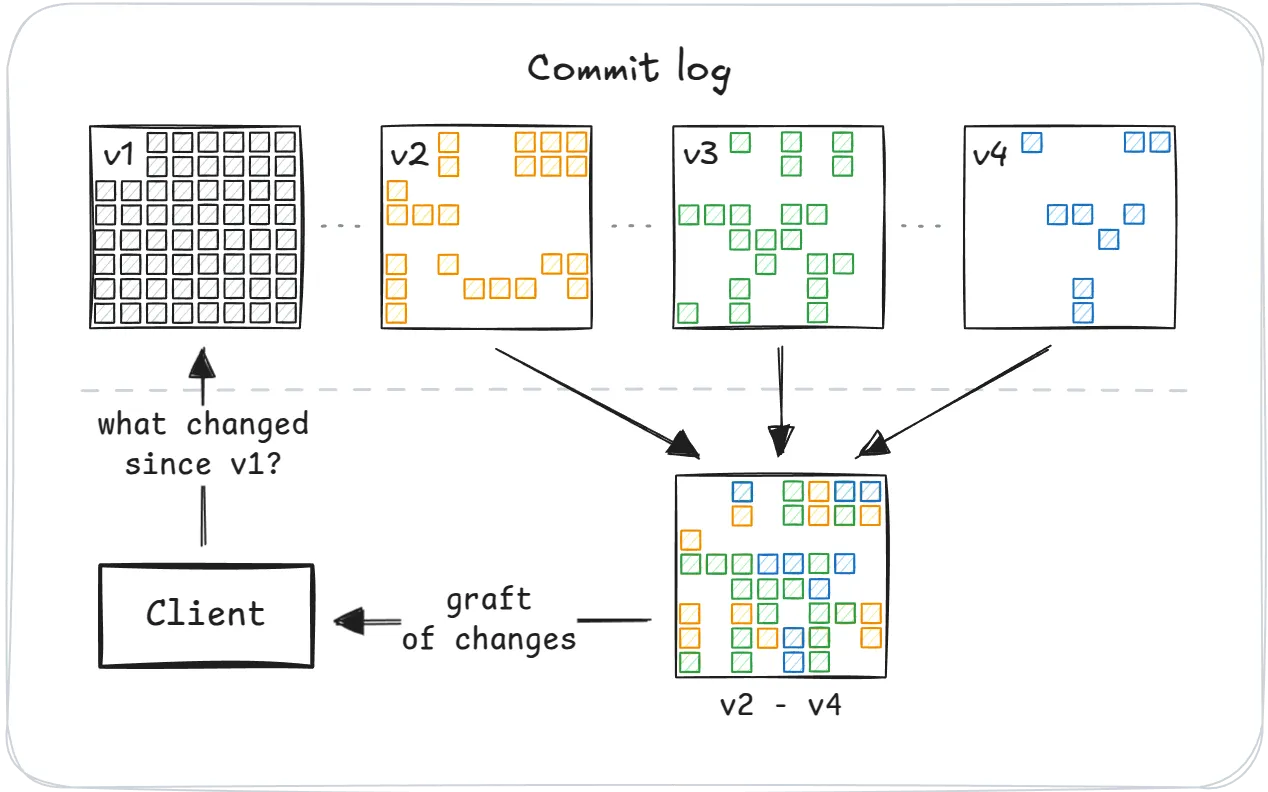
- Great work here! A bit of a silly question - but can I ask you what tool you used to build the beautiful diagrams on the page (eg: https://sqlsync.dev/_astro/pull_changes.DjOYfgBf_2biXxv.webp)
- Somewhat related recent Veritasium video - https://www.youtube.com/watch?v=qJZ1Ez28C-A
- 1 point
- Reminds me of this quote by Bill Gates to Steve Jobs, when Jobs accused Gates of stealing the idea for a mouse:
> "Well, Steve… I think it’s more like we both had this rich neighbour named Xerox and I broke into his house to steal the TV set and found out that you had already stolen it."
> Be thoughtful when using `useEffect`. Read docs at https://react.dev/learn/you-might-not-need-an-effect to understand if you really need an effect